

Airbus H125 Flight Training Simulator
Key facts:
- Virtual Reality flight training device for the Airbus H125 helicopter
- Flight training solution for HESLO with MPVK
- World’s only VR H125 simulator qualified by FAA and EASA
- True-to-scale cockpit with original/replica H125 controls and instrument panel (incl. Garmin G500H TXi and GTN650)
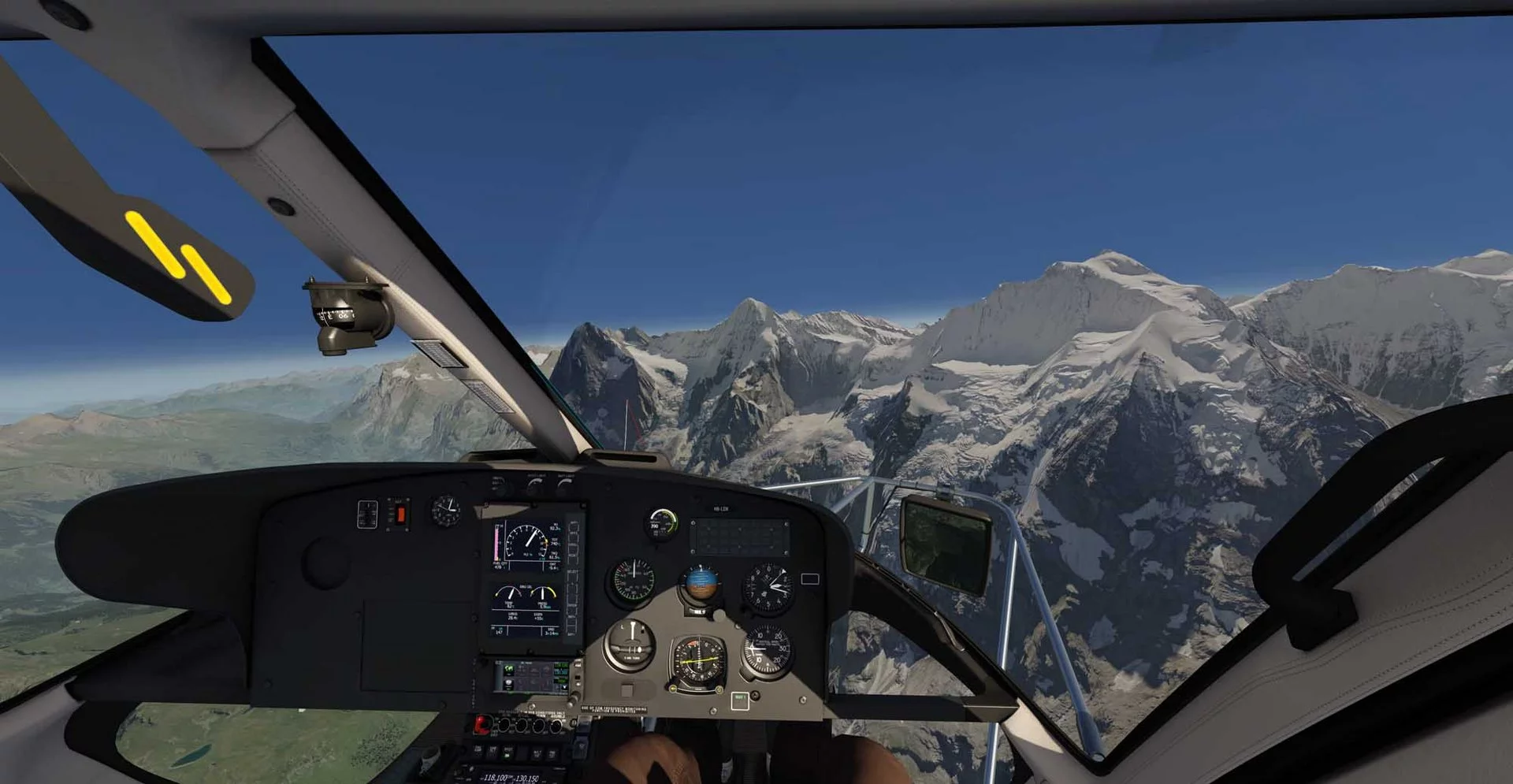
- Premium VR headset with 360° 3D view and photorealistic training sceneries
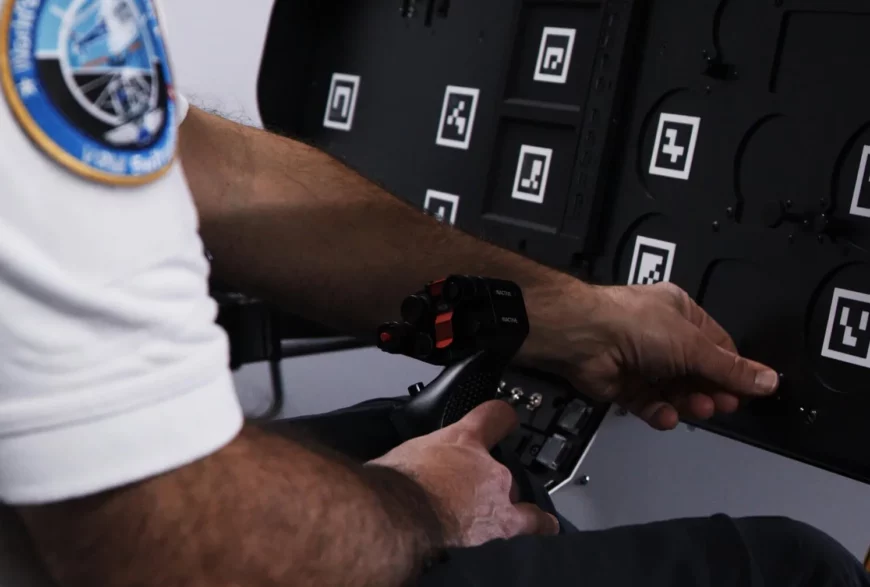
- Human pose-tracking with virtual avatar for intuitive operation of all cockpit controls
- Advanced control-loading system (CLS) providing simulated control forces on cyclic, collective and pedals
- Instructor station with scenario setup, assistance modes and multiple analysis views
Overview
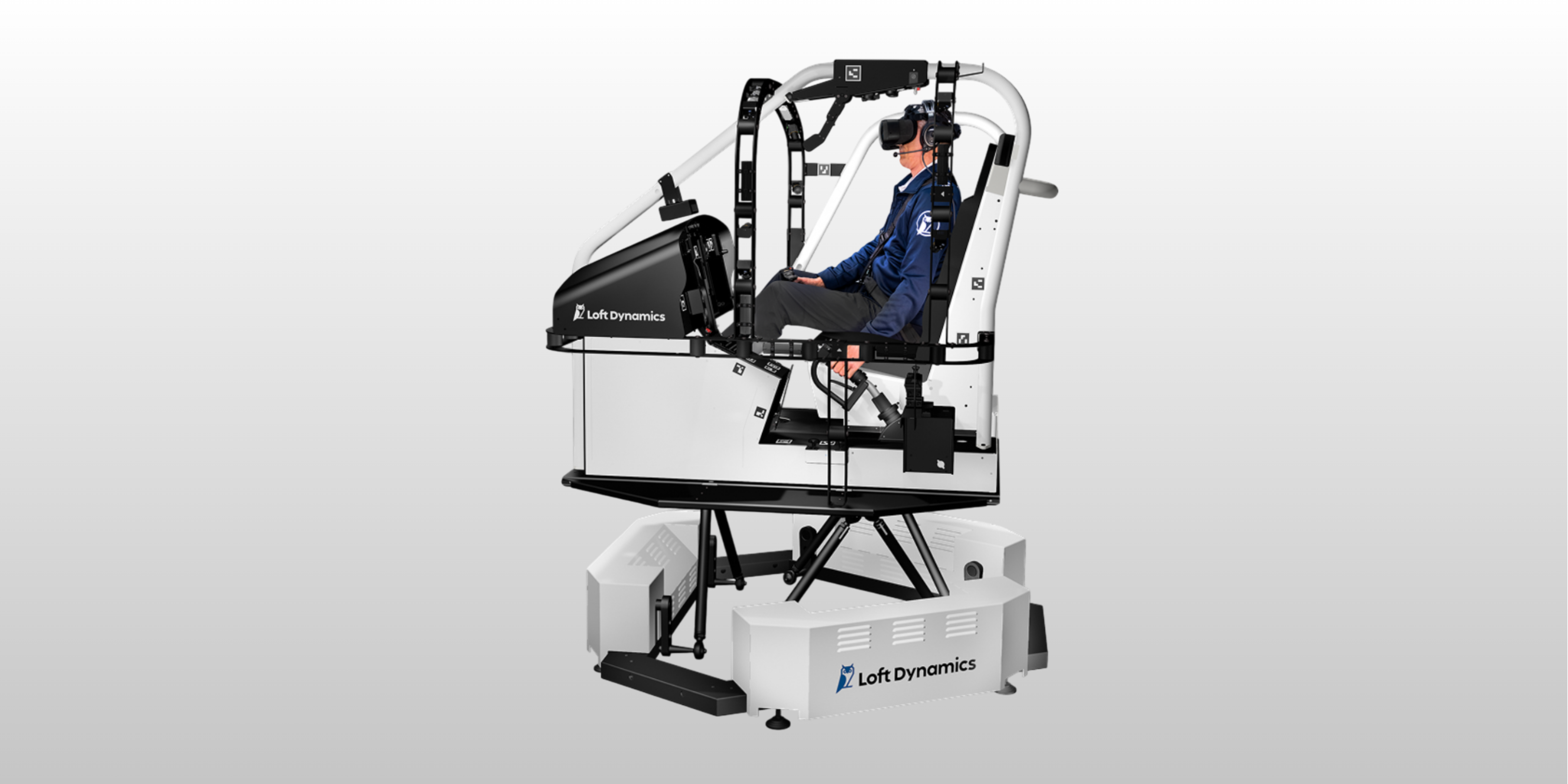
The Loft Dynamics Airbus H125 Virtual Reality Flight Training Device is a professional helicopter training solution designed to deliver realistic, high-fidelity pilot training. Specifically configured for the H125, it combines a full-scale replica cockpit with state-of-the-art VR technology, motion and control loading, enabling pilots to experience genuine helicopter handling in a virtual environment.
It combines:
- Full-scale replica H125 cockpit
- Original components or exact replicas for cyclic, collective, pedals, panels and switches
- Traditional instrument panel complemented by Garmin G500H TXi and GTN650 avionics
- Virtual tablet for checklists and navigation charts
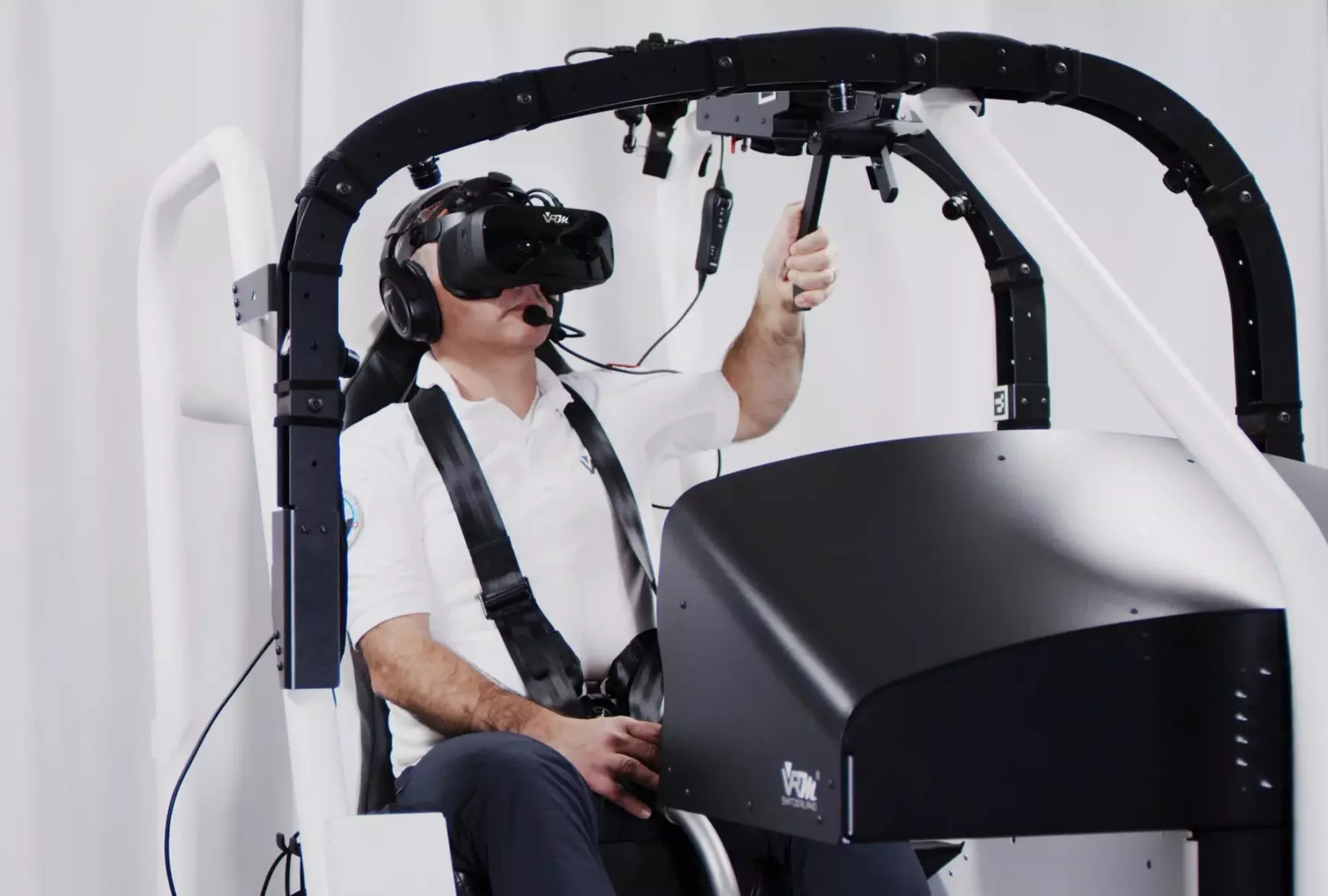
- Premium lightweight VR headset with 360° 3D view
- 6-DoF motion system with vibration actuator
- Helicopter-specific immersive sound system
The Problem
Effective helicopter training is limited by high operating costs, aircraft availability and safety constraints. Certain maneuvers and emergency scenarios are difficult, risky or impractical to train repeatedly in the real aircraft, especially for advanced procedures and vertical-reference operations.
The Solution: Loft Dynamics H125 VR Flight Simulator
- Full-scale cockpit with real aircraft geometry and layout
- High-resolution, photorealistic VR sceneries for precise maneuvering
- Natural interaction through head-tracking and human pose-recognition
- Realistic flight-dynamics simulation for authentic handling
- Safe, repeatable training for basic and advanced procedures
Cockpit and Avionics
- Exact H125 cockpit dimensions and layout
- Original or replica controls for intuitive operation
- Garmin G500H TXi and GTN650 avionics integration
- Virtual tablet for checklists and navigation charts
Immersion and Motion System
- Lightweight premium VR headset with natural 360° 3D view
- 6-DoF dynamic motion platform
- Dedicated vibration actuator
- Helicopter-specific immersive audio
- Full-body immersion supporting demanding training scenarios
Training Capabilities
- HESLO-Operations (with MPVK)
- Hover and approach training
- Autorotations
- Slope and confined-area operations
- Instrument flying
- Emergency procedures, including tail-rotor transmission failures
Instructor Operation Station
- Scenario and environment configuration (weather, wind, turbulence)
- Assistance and stabilization functions
- Individual control handover
- Multiple camera views for analysis
Current Status
The Airbus H125 Virtual Reality Flight Training Device is the only VR-based H125 simulator qualified by the FAA and EASA.
EASA-Approved Training Credits
Under EASA, training organisations can log simulator time for:
- AS350 type rating
- License and operator proficiency checks
- Refresher training
- Night rating
- Private and commercial pilot licence training
- Instrument rating training
The device is designed as a modern, certifiable flight-simulation training solution that allows credited flight time to be logged, depending on the applicable authority and operator’s approval.
Step 1: Request a Quote
- Assessment of training needs and intended use
- Definition of the simulator configuration based on the training environment and operational requirements
Step 2: Expert Consultation
- Detailed discussion with Loft Dynamics experts
- Alignment on training objectives and system configuration
- Clarification of space, infrastructure and integration requirements
Step 3: Delivery
The complete system is delivered ready for integration and includes:
- Full-scale H125 replica cockpit with seat and 4-point harness
- Flight controls with advanced control-loading system
- Integrated 6-DoF motion platform with vibration system
- Visual system with VR headset and tracking
- Intercom and sound system
- Instructor Operating Station with multiple displays
Step 4: Ready to use
- System ready for immediate training operations
- Designed for intensive, repeated use in training centres
- Ongoing support available
Can external load (HESLO) operations be trained in the simulator?
Yes. The device supports realistic HESLO training, including vertical-reference flying, precision load handling and demanding external-load scenarios. The VR environment, motion cues and refined flight dynamics allow pilots to practice these operations safely and repetitively.
Can pilots train using the MPVK configuration?
Yes. The simulator supports training with the Maximum Pilot View Kit (MPVK), allowing pilots to practice vertical-reference and precision maneuvers exactly as flown in the real aircraft. This includes improved downward visibility and realistic control interaction for HESLO and specialized missions.
What kind of training can be performed on the H125 VR FTD?
The device supports basic maneuver training (hovering, approaches, autorotations, slope and confined-area operations, instrument flying and standard emergency procedures) as well as advanced commercial training, including HESLO and complex emergency scenarios.
Is the simulator realistic enough for high-level training?
Yes. Realistic flight-dynamics modelling, advanced control-loading, 6-DoF motion, vibration and an immersive 360° VR environment combine to replicate helicopter behavior and cockpit workload very closely. Original or replica controls and full-scale cockpit geometry further enhance realism.
Which credits can be logged on the device?
According to the EASA approval, simulator time can be credited towards AS350 type ratings, license and operator proficiency checks, refresher training, night ratings, private and commercial pilot licences and instrument ratings, subject to the training organisation’s approvals.
How does the system improve safety compared to training only in the real helicopter?
High-risk maneuvers and malfunctions that would be too dangerous or impractical in the real aircraft (for example certain tail-rotor failures or severe weather scenarios) can be repeated safely in the simulator. This repetitive practice promotes deep learning and safer handling of critical situations.
What are the environmental and cost benefits?
Training sessions are conducted on the ground with an electrically powered system. There are no fuel burn, emissions, or noise and no need for cross-country repositioning flights. This reduces environmental impact and lowers overall training costs while keeping the focus on actual flight exercises.
How does the instructor interact with the trainee during sessions?
The instructor and pilot communicate via an intercom system, just as in the real helicopter. The Instructor Operating Station provides multiple displays for simulator control, viewing the pilot’s perspective and analyze flight data, and includes assistance functions to support step-by-step instruction.
